
 Written by

Infrastructure South Africa (ISA) Session – Conference Notes and Key Takeaways
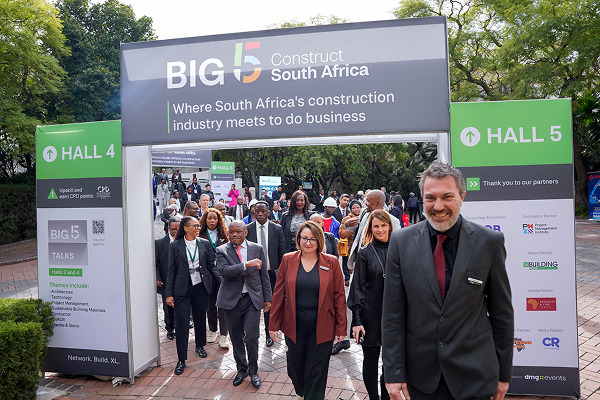
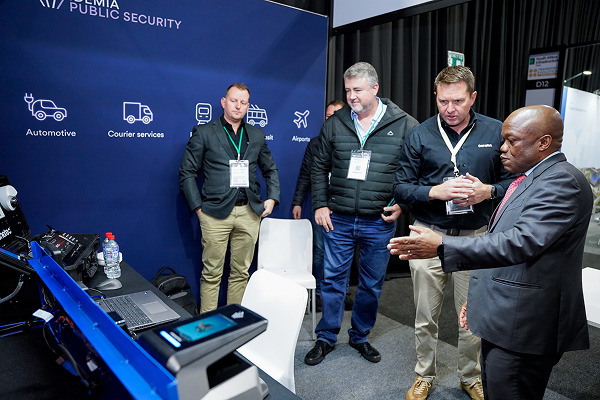
The Infrastructure South Africa (ISA) session at Transport Evolution Africa, held at Gallagher Convention Centre. The session brought together leaders from government, infrastructure agencies, financiers, and the private sector to discuss South Africa's infrastructure pipeline, investment opportunities, project delivery challenges, and the future of infrastructure development.
Infrastructure South Africa (ISA)
Speaker: Mrs Mameetse Masemola
**Head of Infrastructure South Africa (ISA)**
Mrs Masemola highlighted the critical role infrastructure plays in driving economic growth and attracting investment into South Africa.
Key Highlights
* South Africa aims to achieve approximately **30% growth through infrastructure investment**.
* Infrastructure projects are viewed as key drivers of economic development, job creation, and industrial growth.
* ISA currently has a pipeline of approximately **20 strategic projects** valued at around **R286 billion**.
* The organisation is actively seeking private sector participation and investment funding for these projects.
* Construction companies are encouraged to bid for available infrastructure projects.
* Major projects include:
* Border infrastructure developments between Mpumalanga and Mozambique.
* Namaqua infrastructure projects spanning the Northern Cape and Western Cape.
* Water and sanitation infrastructure programmes.
* Renewable energy projects in the Northern Cape worth billions of rand.
Important ISA Requirements
* Projects must generally be valued at **R1 billion or more** to qualify for inclusion within ISA's project pipeline.
* Infrastructure South Africa has now been established as a **stand-alone public entity**.
* ISA works closely with the **Development Bank of Southern Africa (DBSA)** to facilitate infrastructure development.
South Africa Infrastructure Symposium
The annual South Africa Infrastructure Symposium will be held:
**Date:** 23–24 August
**Venue:** Cape Town
The symposium aims to:
* Advance infrastructure growth.
* Promote investment opportunities.
* Showcase strategic infrastructure projects.
* Address regulatory reforms affecting project delivery.
Construction Book
ISA has launched the **3rd Edition of the Construction Book**, which contains infrastructure projects that have already secured funding and are ready for implementation.
The total value of projects contained in the previous edition exceeded **R288 billion**.
Building South Africa's Future:
"We Know What's Wrong, Now Let's Fix It"
Speaker: Mr Gavin Taylor
**Head of Construction PMO – Aveng Group**
Mr Taylor delivered a thought-provoking presentation on the challenges affecting infrastructure delivery in South Africa.
Key Industry Challenges
* Difficult client relationships.
* Procurement failures.
* Excessive regulatory delays.
* Poor project planning and preparation.
* Weak leadership and governance.
Why Projects Fail
According to Mr Taylor:
* Projects are often awarded at unrealistically low rates.
* Risk is transferred to the supply chain rather than managed properly.
* Teams are deployed without adequate preparation.
* Leadership changes too frequently.
* Industry intimidation discourages ethical leadership.
Key Messages
"Real empowerment is the transfer of knowledge."
"Contracts are necessary, but they cannot compensate for broken behaviour."
Additional concerns raised included:
* Loss of experienced contractors.
* Shortage of skilled professionals due to emigration.
* Inadequate allocation of budgets for training.
* Delayed payments to contractors.
* Overloading the project delivery system by releasing too many projects simultaneously.
Recommendations
* Reconnect leadership with execution.
* Build technical and management capabilities.
* Invest in skills development and training.
* Ensure projects are adequately prepared before implementation.
* Create a predictable investment environment.
A key message from the session was:
"Investment capital does not fear risk; it fears anunpredictable environment."
Case Study:
Power Security and Industrial Growth – The Role of SEZs
Speaker: Mr Andile Mnguni
**Head of Property and Commercial**
**Dube TradePort Special Economic Zone**
Key Discussion Points
Mr Mnguni discussed the impact of energy security on economic growth.
Challenges Identified
* South Africa failed to prioritise energy security despite early warnings.
* Load shedding contributed to reduced productivity.
* The country lost significant investment opportunities due to unreliable electricity supply.
Current Infrastructure Priorities
* Water and sanitation.
* Energy generation and distribution.
* Industrial development.
Key Investments
* IDC has invested approximately **R1.9 billion**.
* DBSA continues to provide infrastructure support.
* Eskom is working with the Zululand Energy Terminal through gas-to-power programmes.
* Solar energy systems are increasingly being adopted.
Impact of SEZs
Special Economic Zones (SEZs):
* Increase national productivity.
* Attract investment.
* Support industrial growth.
* Contribute additional power generation capacity.
Municipal Infrastructure Delivery
A case was presented involving the **Emfuleni Municipality**, highlighting innovative approaches to project delivery.
The key lesson was that municipalities facing funding constraints can partner with:
* Engineers,
* Funders,
* Development institutions,
to implement infrastructure projects and subsequently take ownership once completed.
Infrastructure Financing
Speaker: Joel Mphela
**National Empowerment Fund (NEF)**
The NEF highlighted opportunities for funding infrastructure projects that support economic transformation and empowerment.
Speaker: Thabo Hodee
Discussion focused on financing large infrastructure projects while creating opportunities for SMMEs to participate within the infrastructure value chain.
Infrastructure Funding, Artificial Intelligence and Project Preparation
Speaker: Niraja Shuka
**Asian Infrastructure Investment Bank**
Key Message
One of the major reasons projects fail to secure funding is inadequate project preparation.
Importance of Feasibility Studies
Funding institutions require:
* Thorough feasibility studies.
* Detailed project preparation.
* Accurate financial models.
* Risk assessments.
* Technical due diligence.
Artificial Intelligence in Infrastructure
AI is increasingly being used to:
* Analyse infrastructure data.
* Assess population growth patterns.
* Evaluate environmental and flood risks.
* Monitor road conditions.
* Improve investment decision-making.
AI systems can collect and analyse large volumes of data from public infrastructure databases, enabling more informed investment decisions.
Funding Requirements
For infrastructure projects to secure funding, project preparation must include:
* Technical feasibility studies.
* Financial feasibility studies.
* Environmental assessments.
* Regulatory compliance reviews.
* Risk management plans.
Financial and transactional advisors play a critical role in ensuring projects are investment-ready.

Key Takeaways from the Conference
1. Infrastructure remains one of South Africa's biggest opportunities for economic growth.
2. Project preparation is essential for attracting investment.
3. Leadership, governance, and execution remain major challenges.
4. Renewable energy, water, and sanitation are priority sectors.